
Architect Spotlight: William Tozer Associates
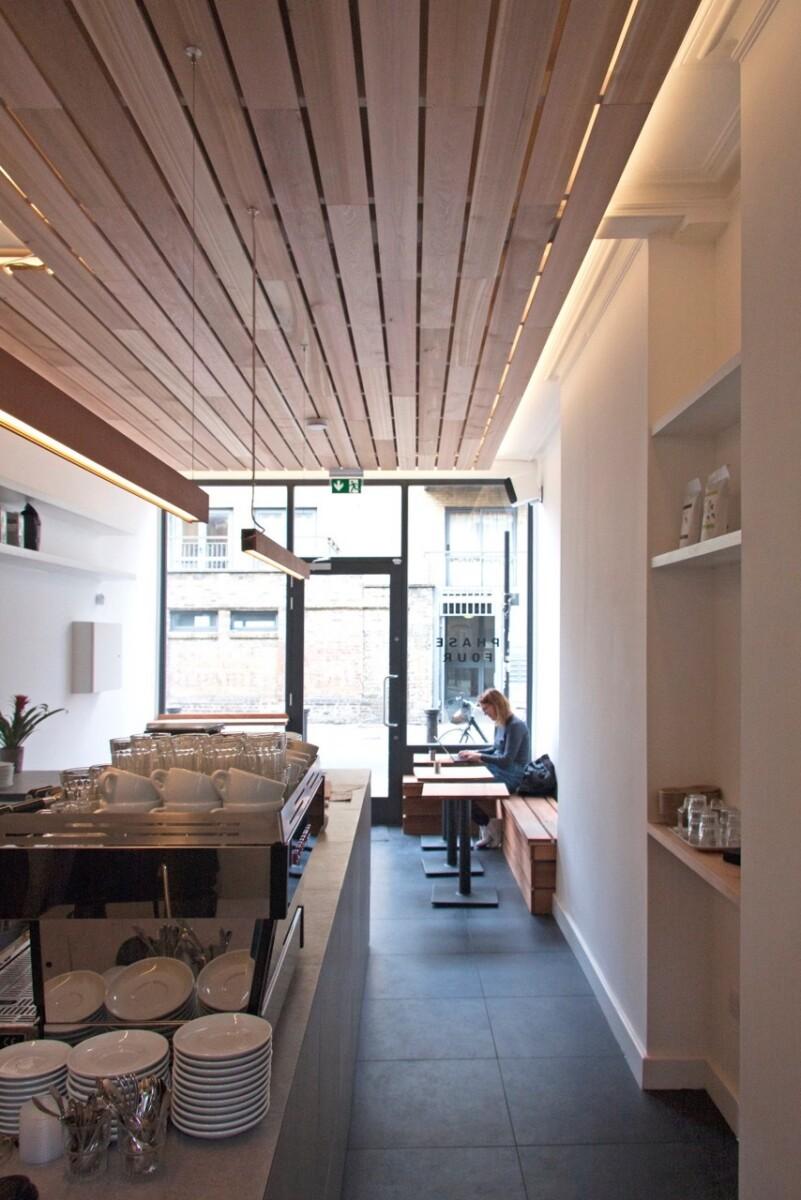
How this North London studio is bringing material-led modernism across four countries
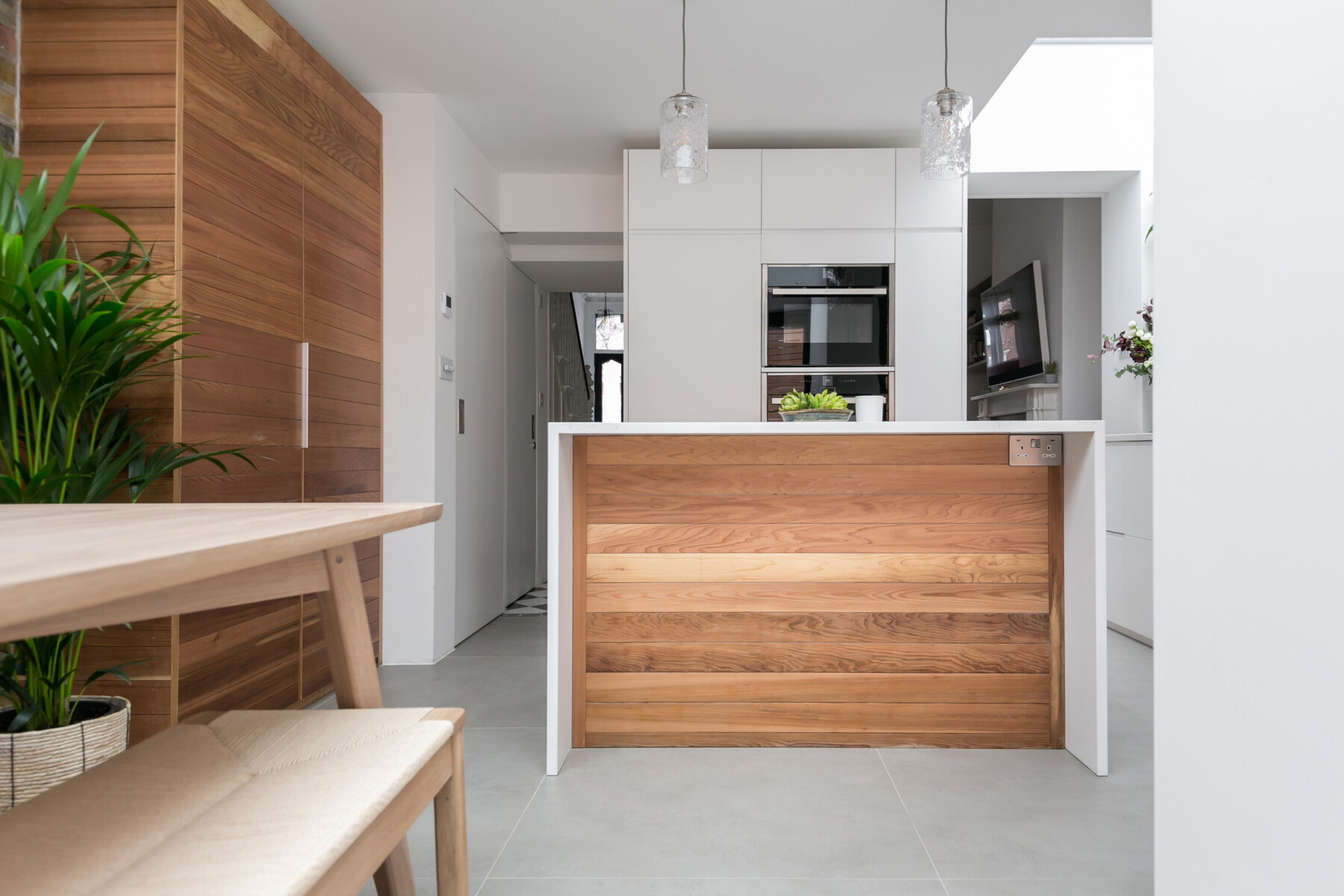
Photo: Lukasz Wielkoszynski
With international reach and disciplined restraint, William Tozer Associates shows how modernism can still feel tactile. The award-winning London-based practice is active across the UK, with projects also underway in the US, Australia, and New Zealand. Its approach is grounded in a rigorous formal language—architecture as a composition of volumes, planes, and space—paired with careful attention to a building’s “furnishings”: the utilitarian elements and crafted components that shape how it’s used and experienced.
That balance between sculptural clarity and functional detail is often carried by a tightly controlled material palette. Rather than relying on surface effects, WTA uses shifts in texture, tone, and alignment to divide open-plan spaces into zones and to sharpen views through and across a building—so the architecture reads as a sequence of spatial moments, not a single static image.
Across the projects featured here, Western Red Cedar becomes a particularly effective part of that approach: a material that can sit within crisp geometric compositions while adding warmth, grain, and human scale. Used overhead as a defining interior plane, or outside as robust cladding and decking at the garden edge, cedar helps link the abstract and the everyday—turning clean ideas into spaces that feel tactile, durable, and lived-in.
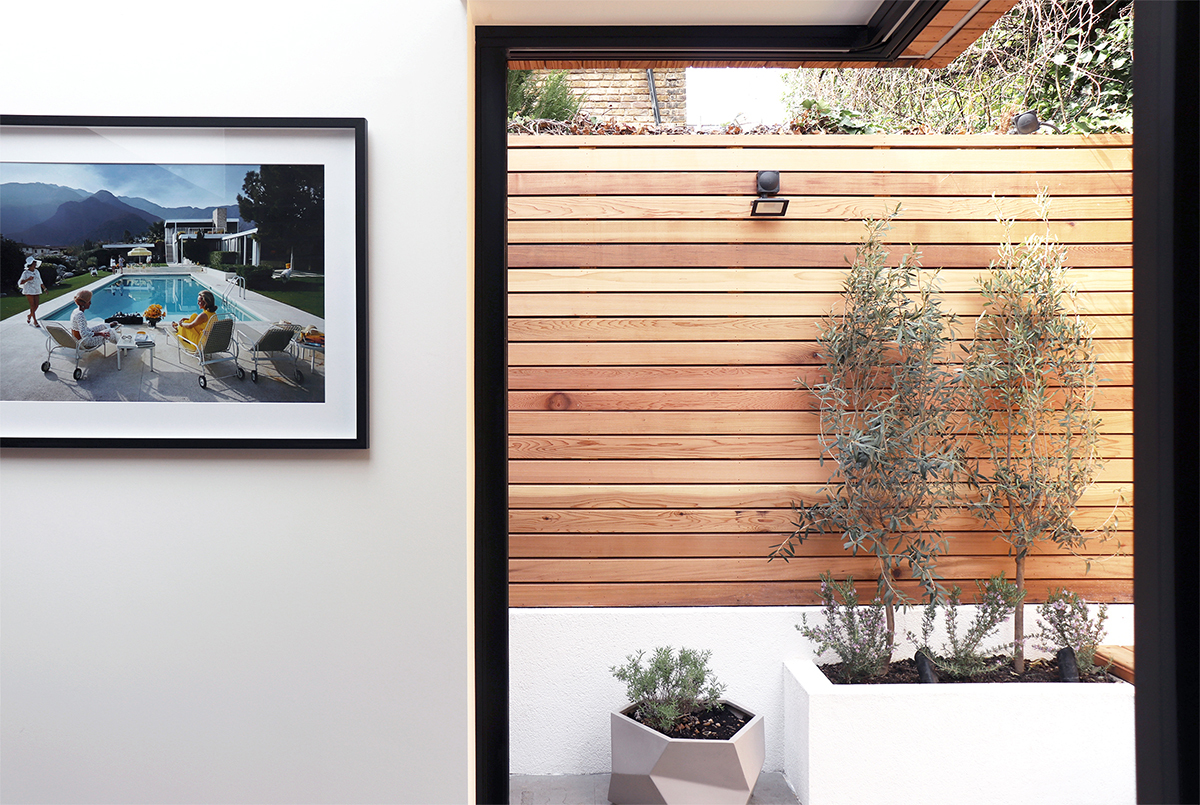
Photo: Lukasz Wielkoszynski
Connected domestic spaces
What if a home extension could feel less like an add-on—and more like a natural continuation of how you already live? North London’s House in Archway answers that brief with a measured extension that prioritises continuity over contrast. Rather than treating the addition as a separate object, the project builds on the home’s existing rhythms—especially the everyday passage between kitchen and garden—so the new work reads as an intuitive extension of the plan.
That sensibility aligns with the practice’s broader approach: architecture as a composition of sculptural form and space, paired with discrete functional “furnishings” at various scales. Volumes and planes are arranged to loosely zone open-plan areas through alignments and misalignments, subtle shifts in level and edge conditions, and a calibrated mix of continuity and distinction across lighting, fixtures, and finishes.